You could say that our hosts weren’t thrilled with our idea of going to Brasilia next. Actually, they’ve started to make fun of us, because out of all beautiful places in the state of Rio de Janeiro, we decided to go there. From their perspective it was like if someone came to Split in the middle of the summer and then for no reason decided to go to some shitty industrial town inland. To cite Juliana: „The only reason why I would have gone to Brasilia would be to drop a bomb over there “. We have already mentioned that the corruption is on an epic scale in Brazil, and since all the state bodies are located there, you can understand why an average Brazilian doesn’t give a fuck about its urbanist/architectural value. Believe it or not, they even started to tell their friends and cousins how we are going to Brasilia to make fun of us together.
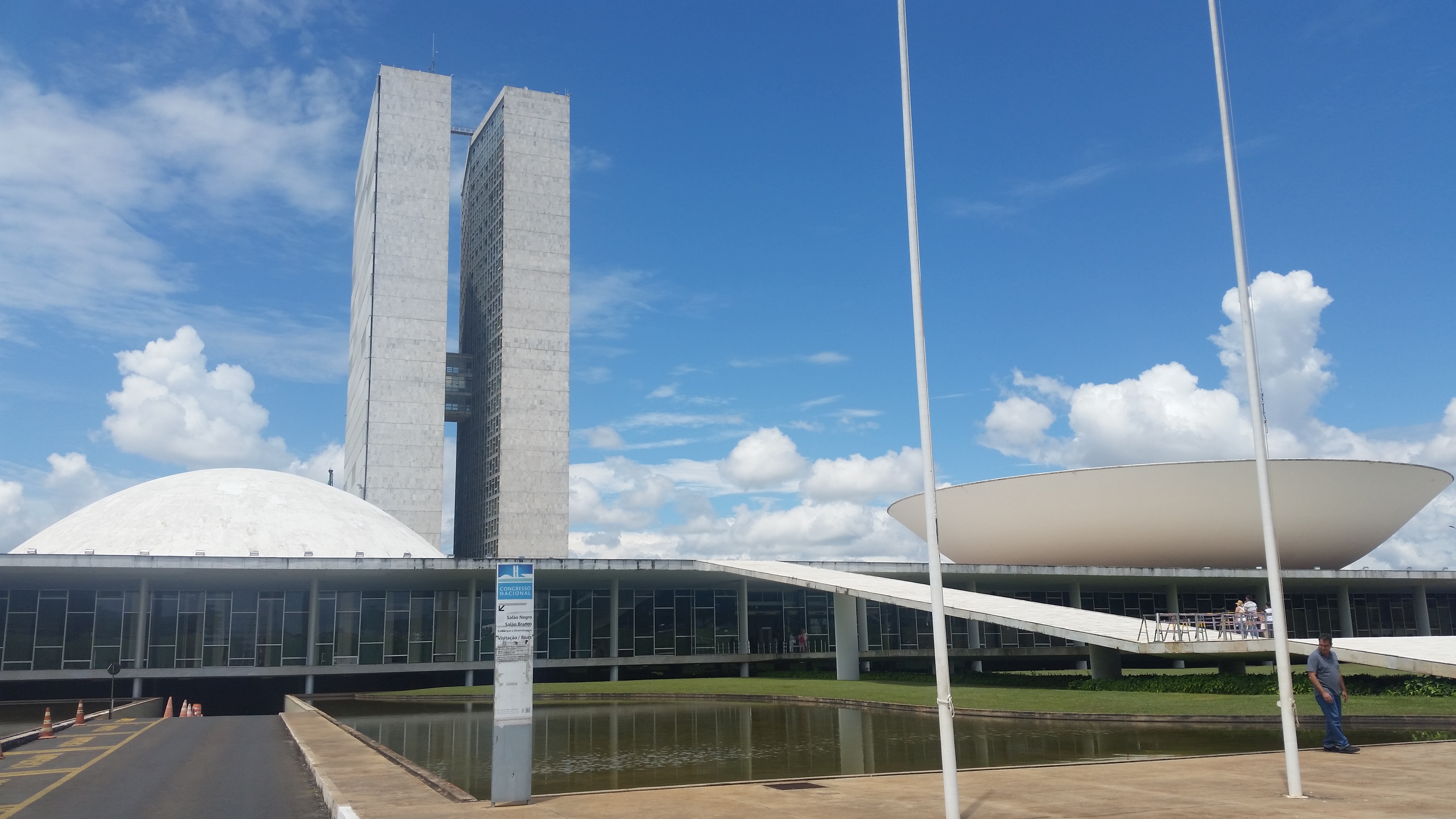
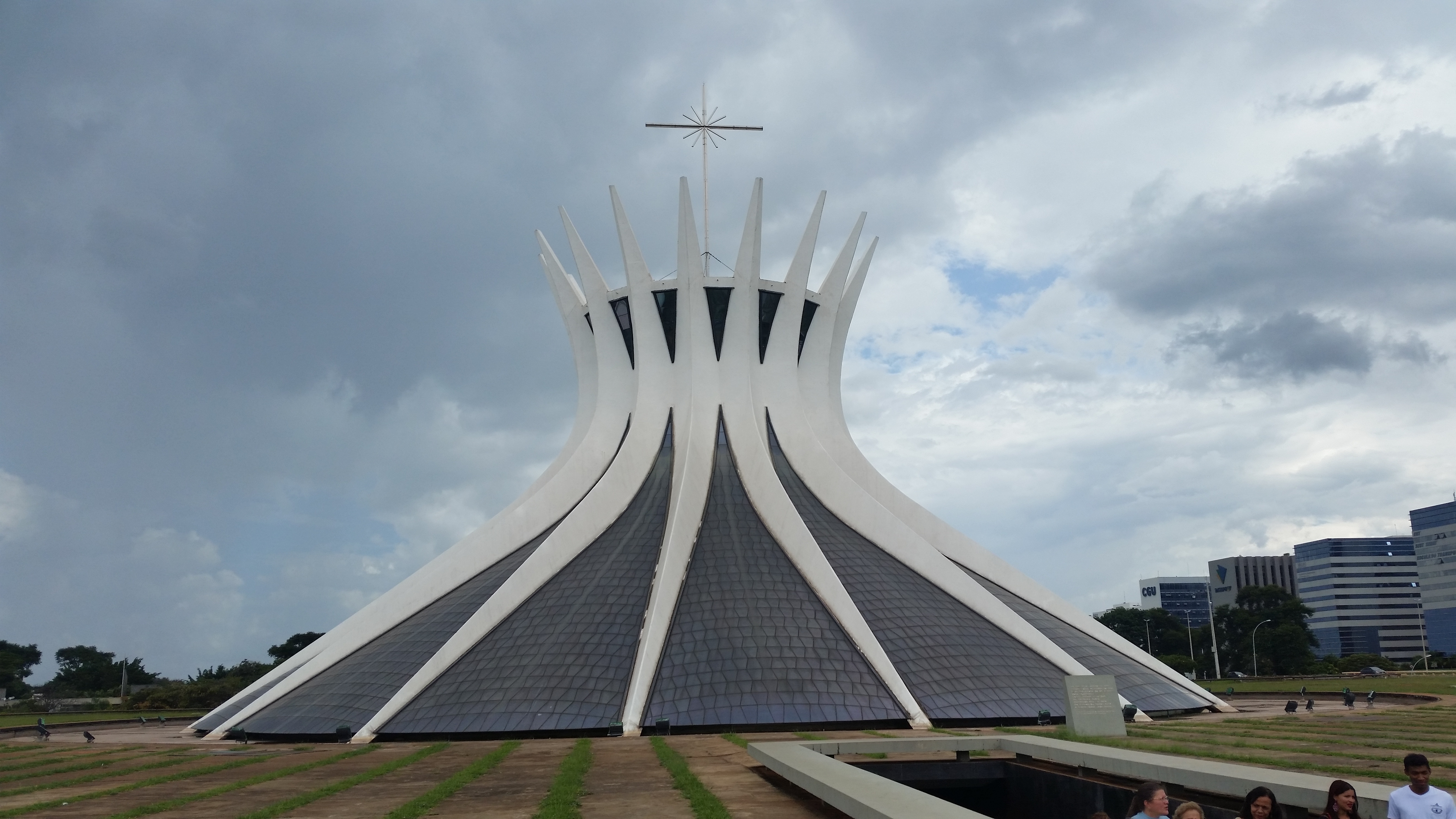
On the other hand, if you are at least remotely interested in the architecture and urbanism, it’s definitely worth to pay a visit to Brasilia. Built in only 5 years (1956-1960) in the middle of nowhere in the Goias state, according to the idea of Juseclino Kubitschek, Brazilian president of Czech roots. The idea was to move the focus of Brazilian development more inlands and revive vast central regions, while setting up a modern center of the country. The motto of Kubitschek was: “50 years of development in 5”. Although one must admit the grandiosity of Brasilia and so on, lot to say about it has the joke of contemporary Brazilians who have changed the motto to “50 years of debts in 5!” Almost every detail of the city was designed by urbanist Lucio Costa and architect Oscar Niemeyer.
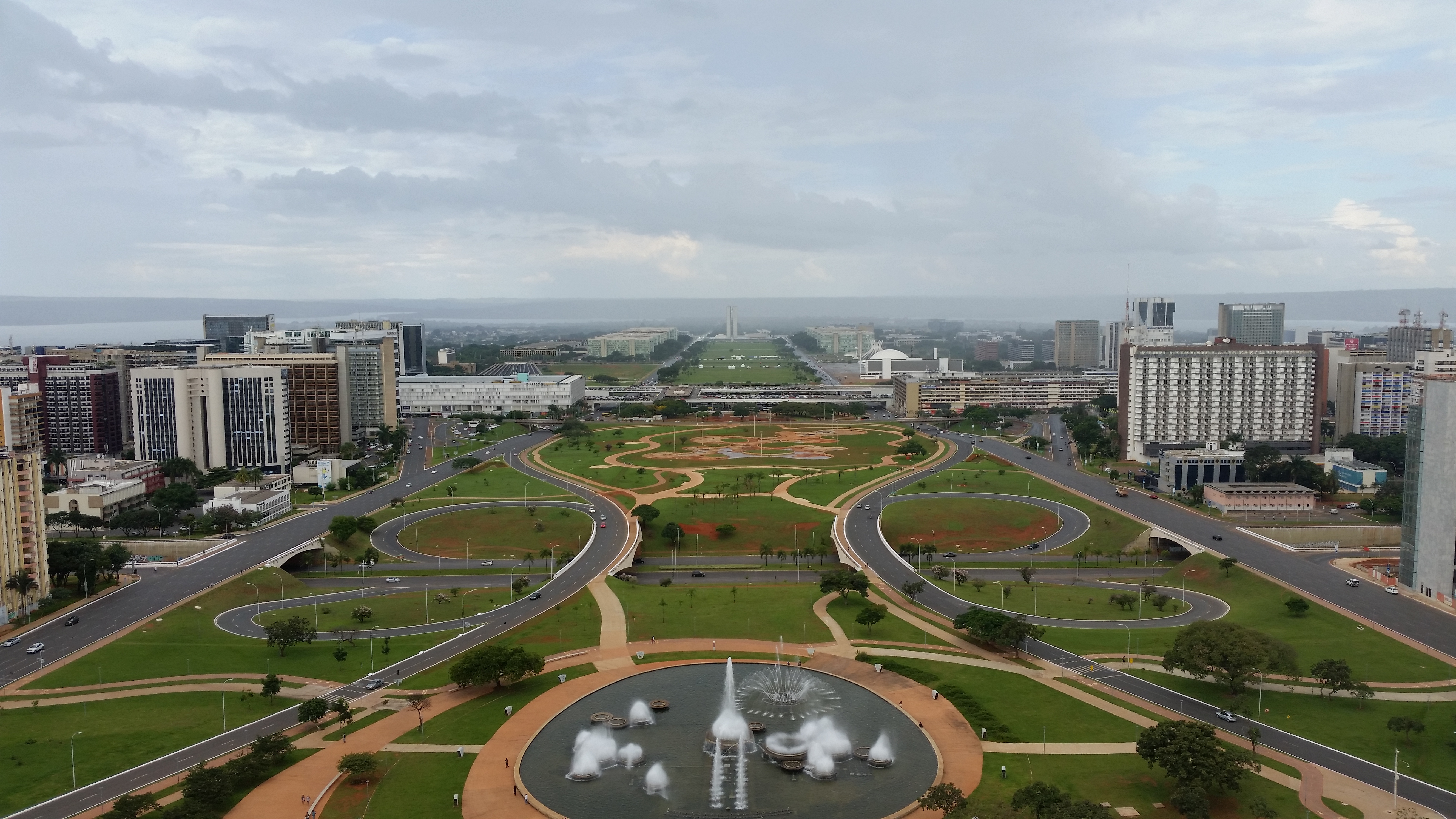
It has a shape of bird or a plane, in a way that parliament, supreme court and president palace are the cockpit, ministries form the body of a plane, residential buildings are the wings, business and market centers are on a crossing point of the body and the wings and the tail is formed by botanical, zoological garden and the stadium. Besides, the traffic and the road systems are nearly perfectly set up. However, it’s hard even to imagine the cost of all that.
Ana Paula, the friend who had already hosted me in Sevilla in 2014., has meanwhile returned to Brasilia. So, we had an accommodation with her family in the so called “condominium”, located some 15 minutes outside of the city in the neighborhoods protected by walls, fences and security guards. Within are almost all the luxury villas, some of the nicest I’ve seen so far. The one where we were staying was certainly not falling behind, with the spacious rooms filled with artworks and various details. Her father is a businessman and mother lawyer, same as Ana Paula (who has seemed to have gotten more serious from the time in Sevilla, having been on a way to become a judge in Brazil) so certainly they can afford it. Fortunately, her parents spoke some Spanish, so we were able to communicate. When I’ve figured out that her Father is a Fluminense fan, I’ve instantly mentioned few of their legends and details from the history that I have learned in the bar in Rio. After that we’ve become like best friends, and they were really persistent in spoiling us with all the food and delicacies.
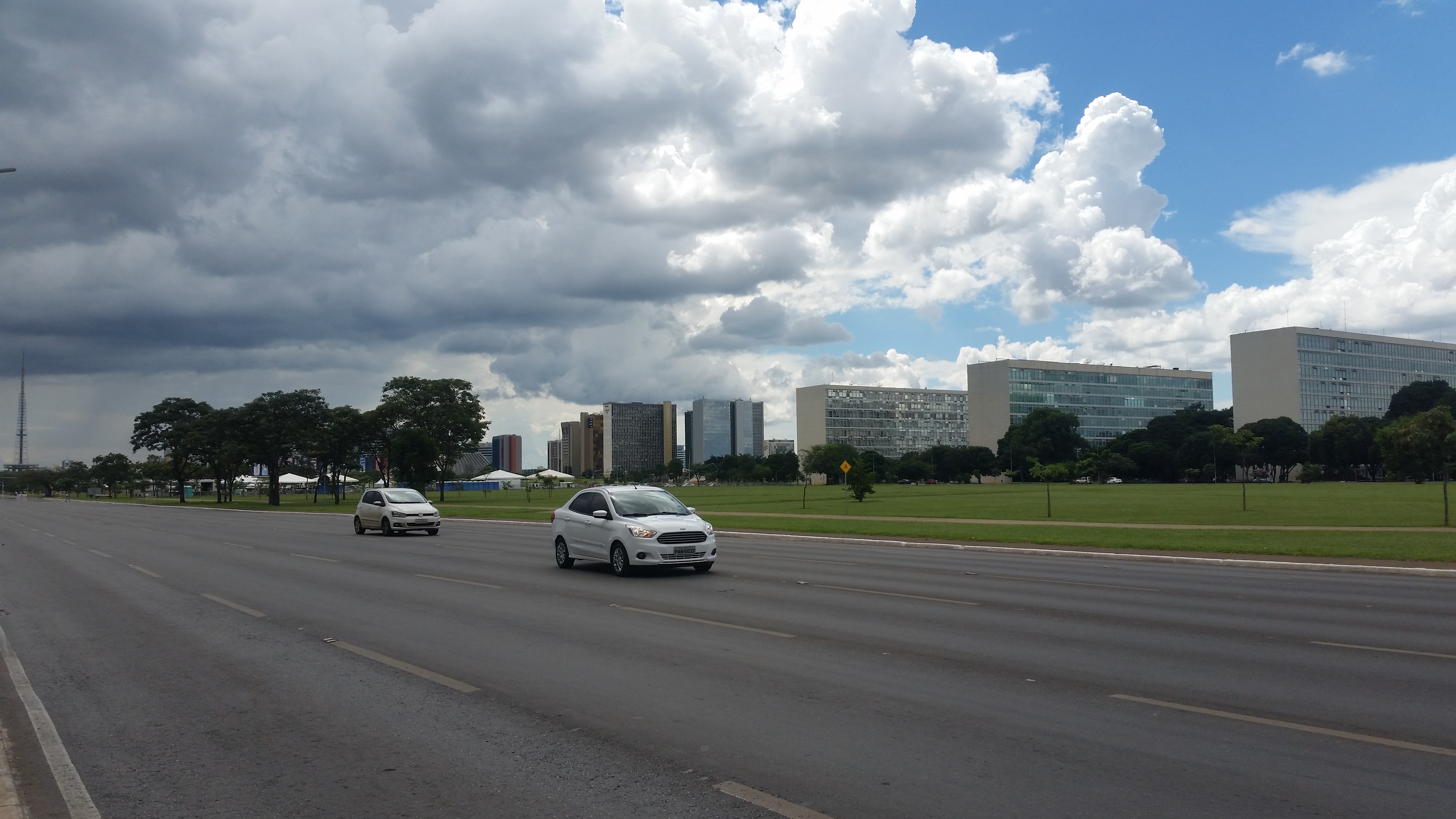
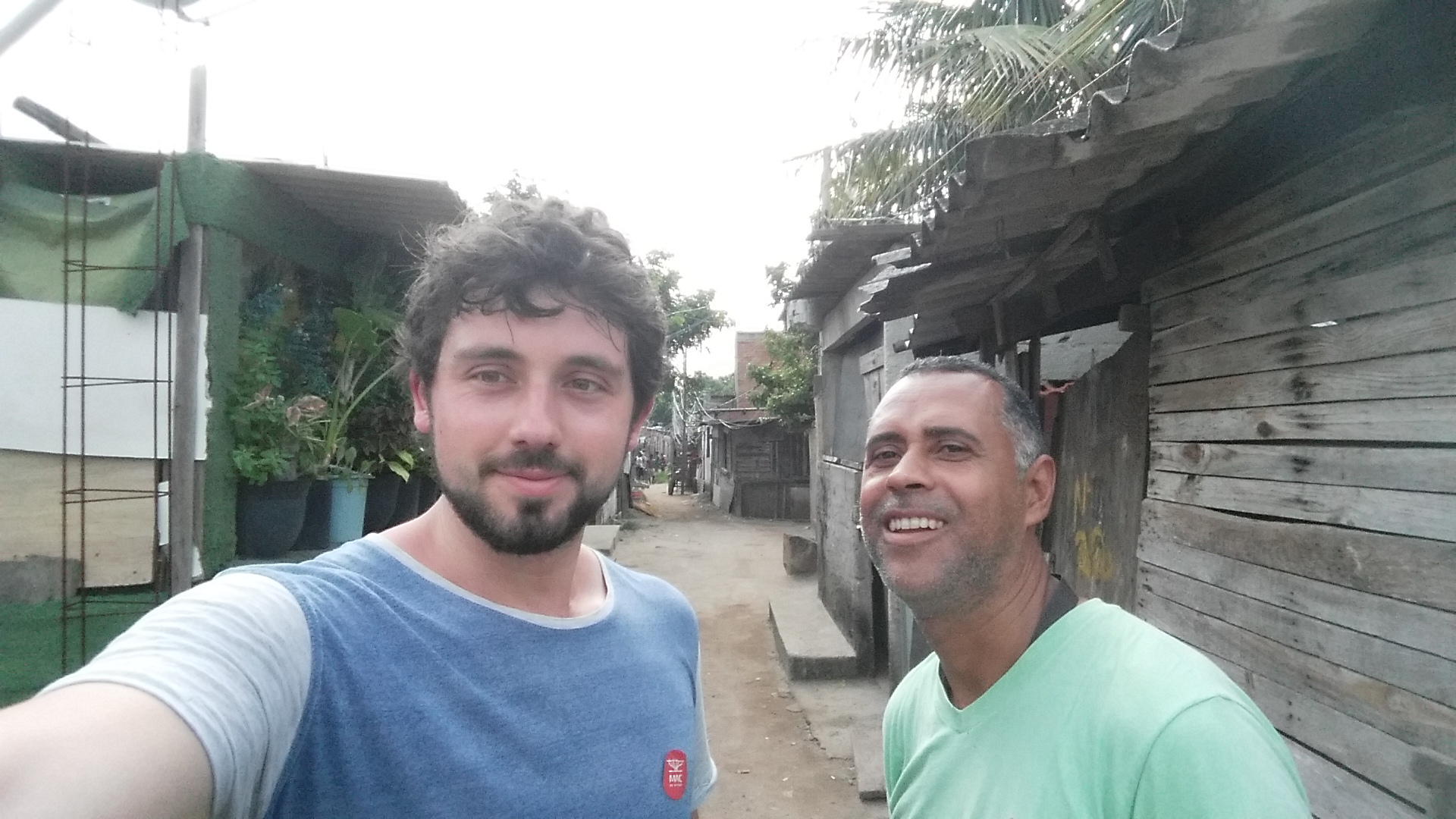
The difference between Brasilia and the rest of the Brazil is indeed shocking. There are lots of benefits of living over there, so it doesn’t surprise that the rest of the country feels strong antipathy towards the people from the capital. Still, although more difficult to find, if you look closely and move further from the city center, you can find poor neighborhoods. After all, they say that the numerous workers who were brought to build the city in only 4-5 years, had to stay somewhere, and certainly not in the nice neighborhoods and villas.
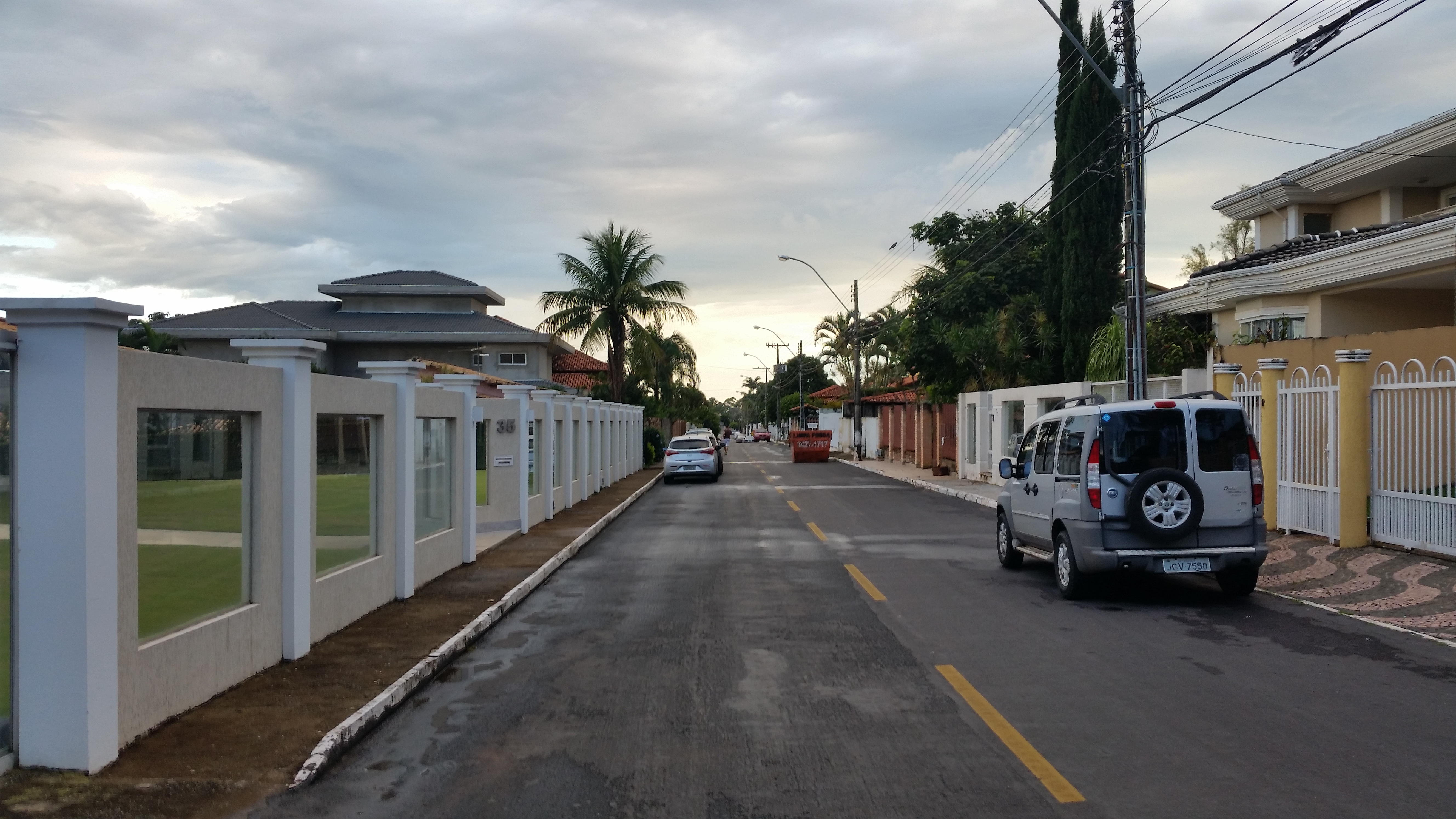
I’ve probably annoyed Mate and Ana with the architecture and stuff, who have seemed to agree more and more with the rest of Brazil about discovering Brasilia. Didn’t help either that Mate got a flue but sacrificed himself and kept going not to slow down the rest of us.
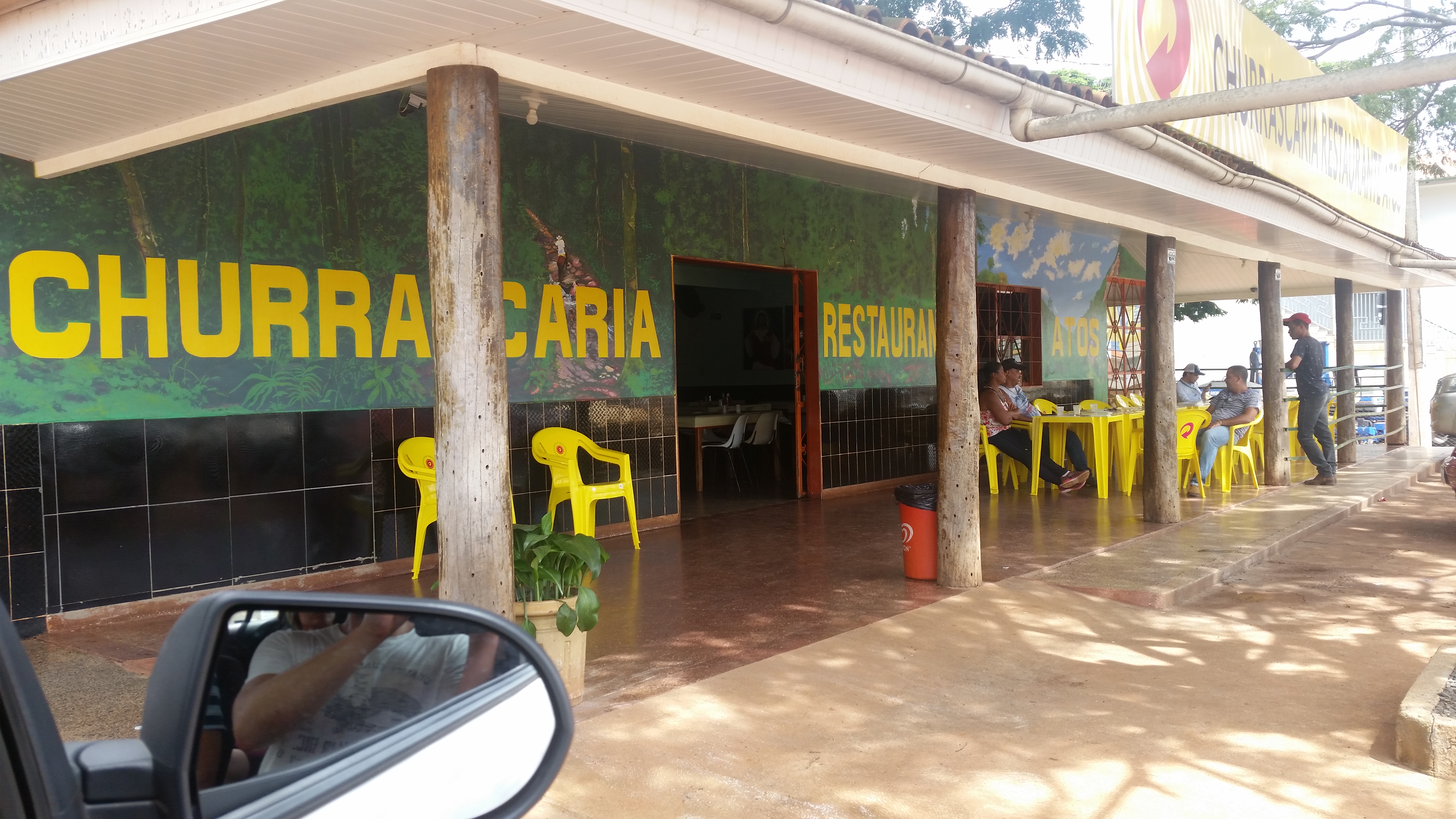
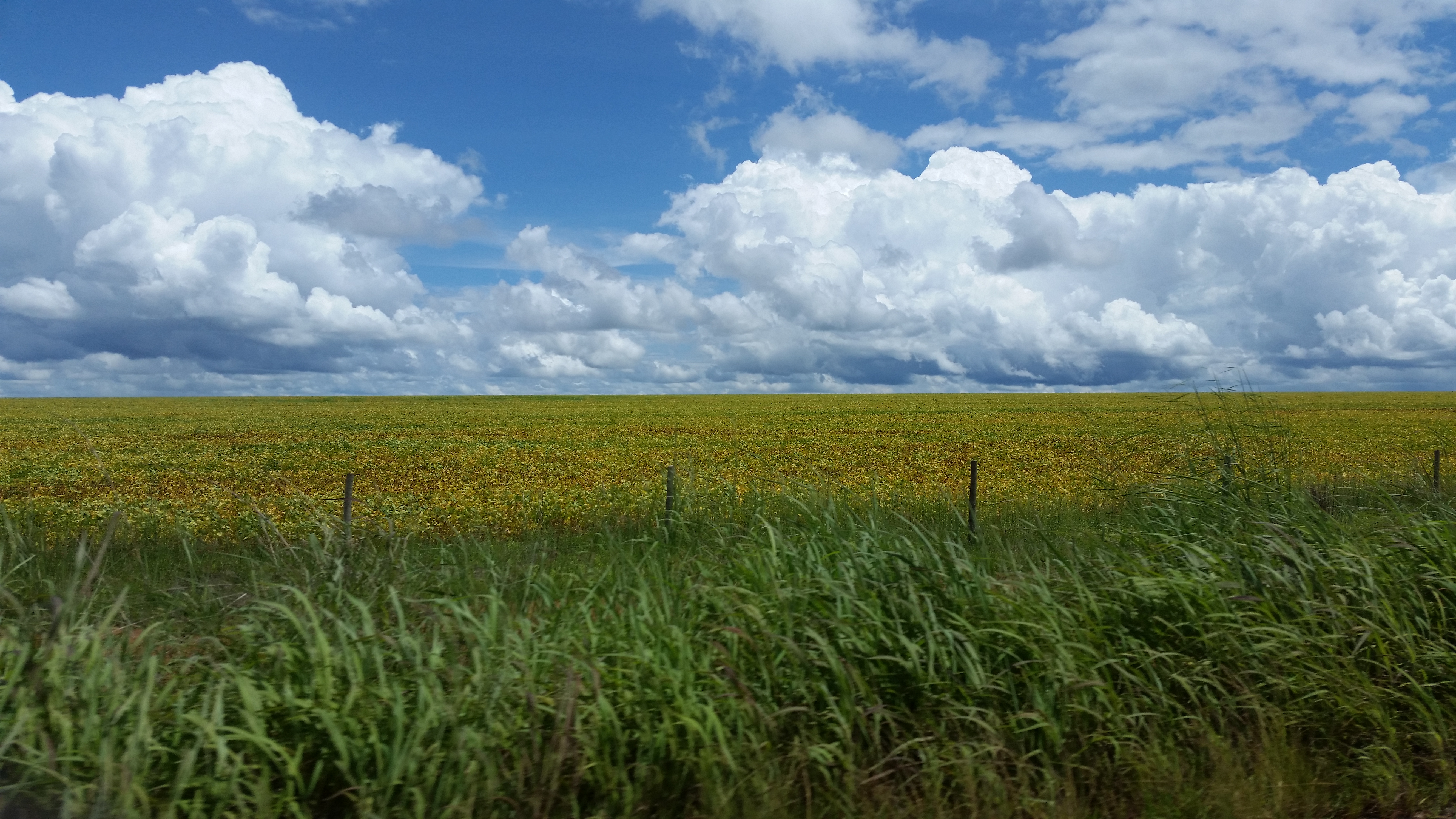
Not to stick solely to the concrete and architecture, we took a rent a car and went towards alto Paraiso and the national park “Chapada dos Veadeiros”. Not to make everything smooth, Jelena drove over the speed bump on a road with a non-recommended speed and something started to leak from our car. Crazy luck was that it happened exactly in front of a mechanic and Churrascaria. It’s a Brazilian restaurant where you pay about 6 euros for all you can eat. Including unlimited grilled meat, so there’s no need to emphasize that they didn’t profit anything from us. Seems it was destiny, since anyways I wanted to stop there, but lost the vote.
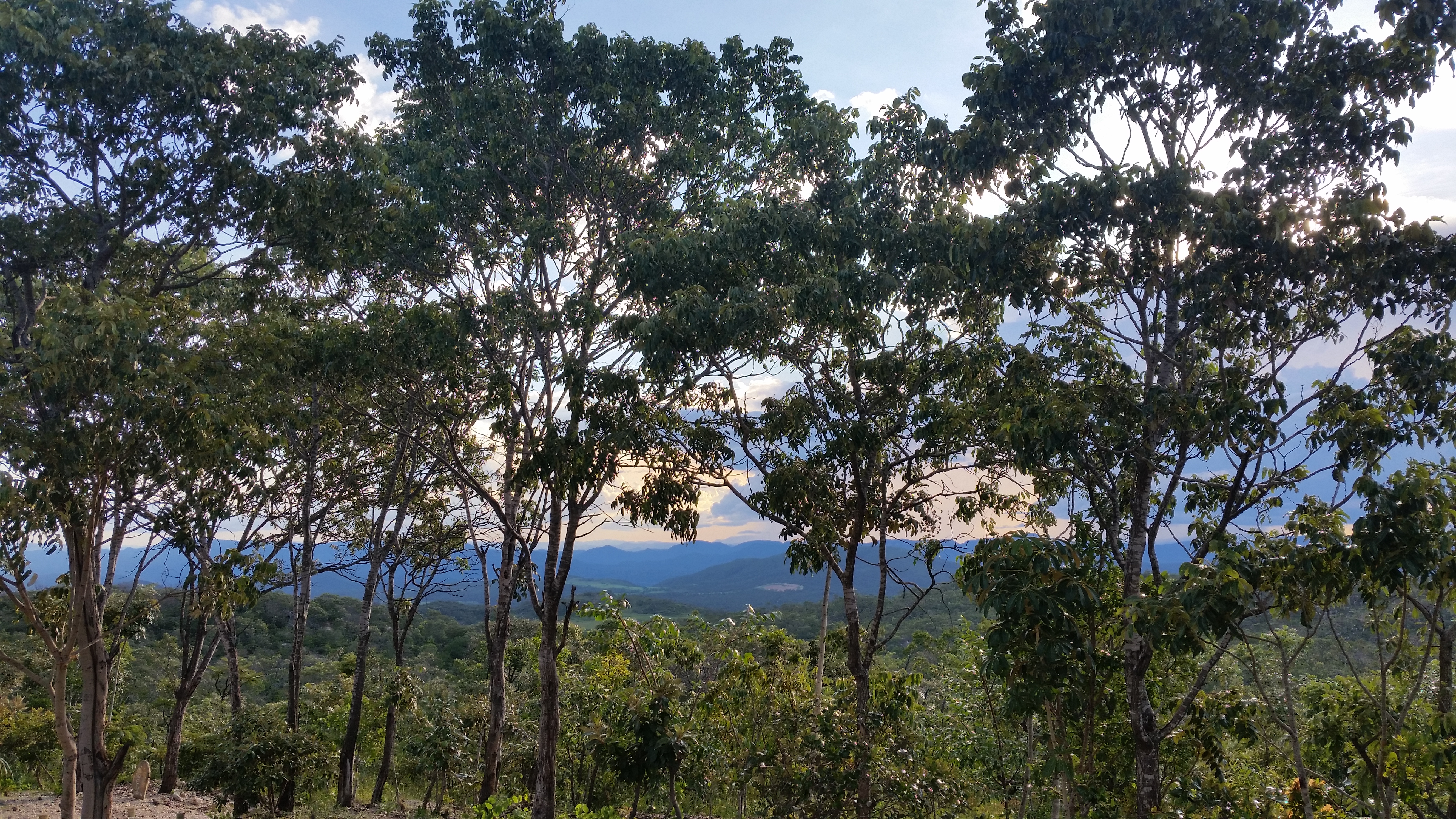
Alto Paraiso itself is a rather interesting town. Since this region is located on a specific silicate rocks, on the one hand there is a beautiful national park, and on the other hand, there are a little bit crazy people from all over the world gathering there since its told that those rocks have the special energy/radiation. What also helps is that it is one of the best spots in the world to grow ayahuasca. It’s a weird town, although it has only about 6000 residents, its filled with the temples of all the religions, from the official ones to the various exotic and local Indian witchdoctors performing the ayahuasca ceremonies. Thousands of Europeans come here for those ceremonies. Even if we wanted to try, there was not enough time, because you don’t just come and take it, seems you need to get into the whole process of at least a week. If nothing else, the atmosphere in a town is completely relaxed and everyone is very friendly.
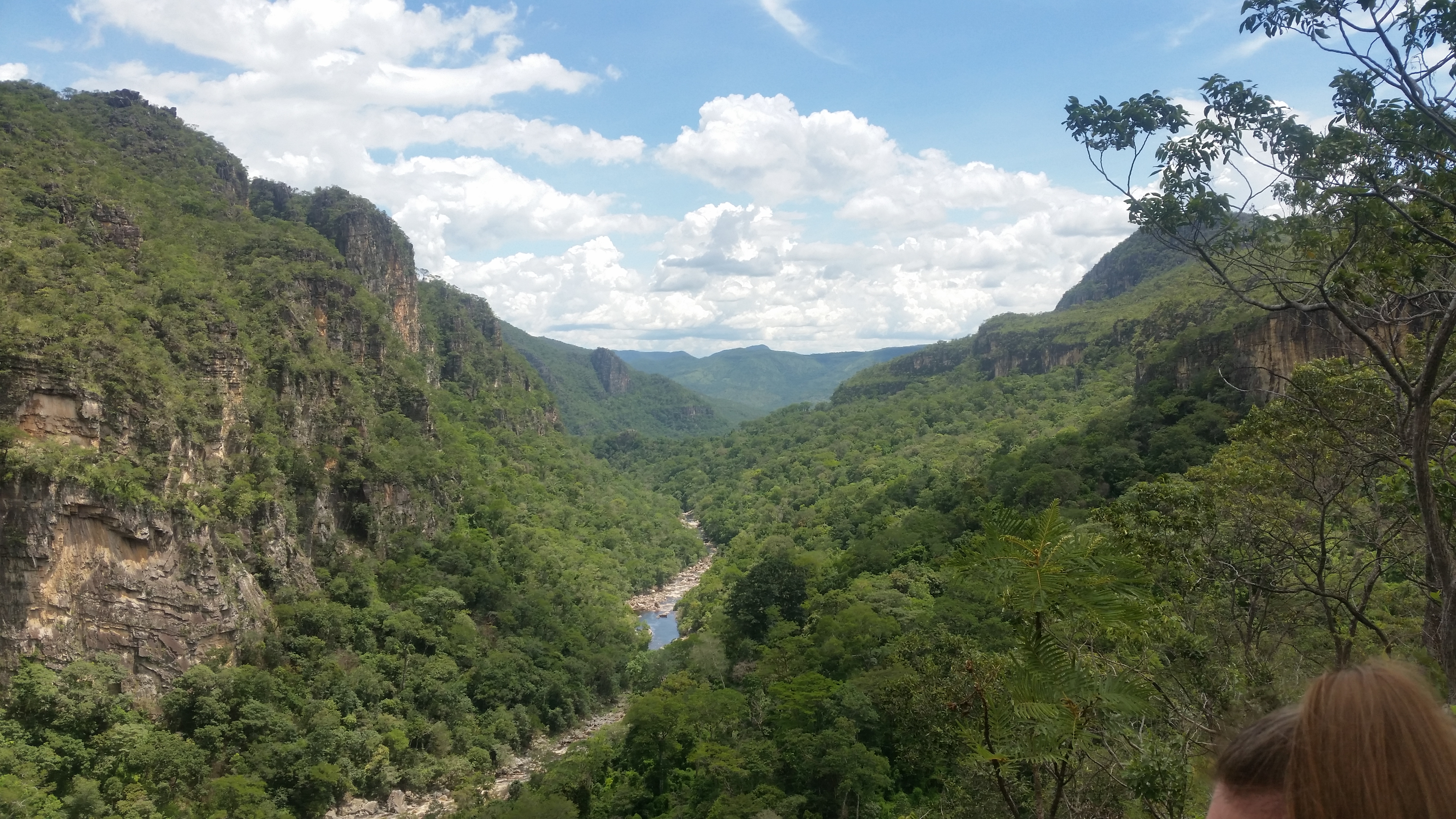
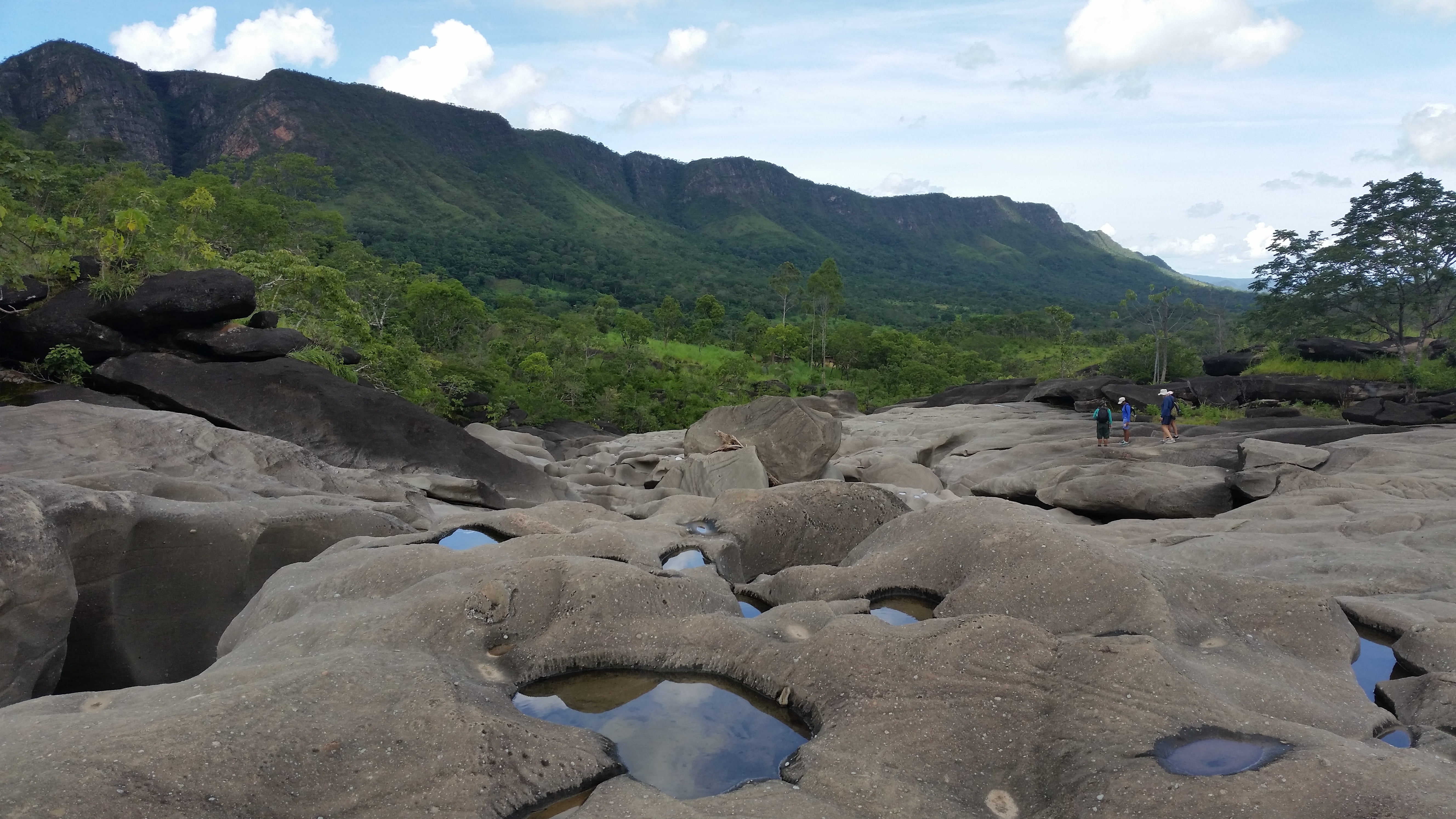
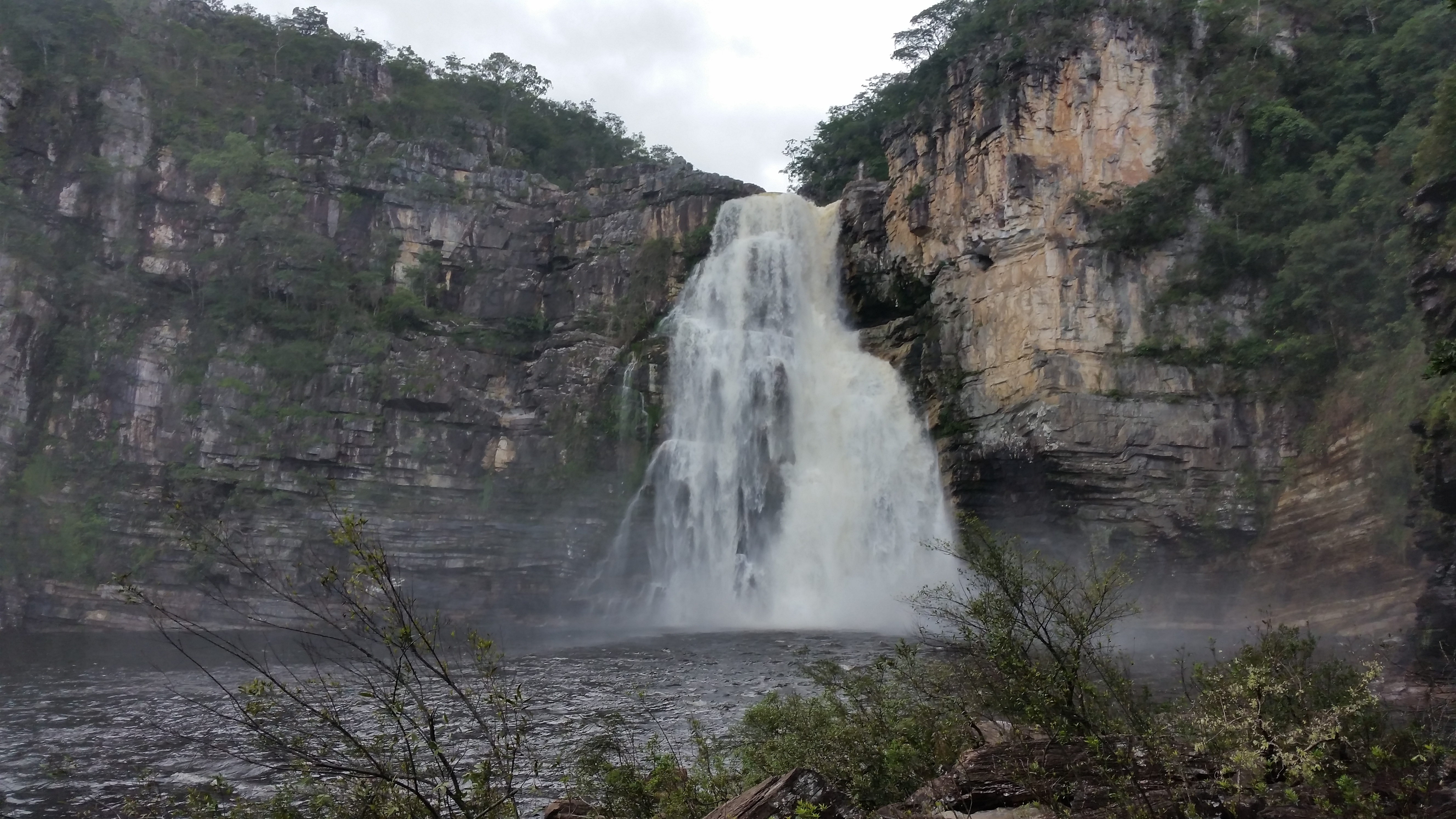
Since Mate was still in a fever, I was mostly wandering around alone. Some of these waterfalls were nothing special, and much less impressive than some back home in Croatia, but some of the larger ones (100 meters high and more) were really impressive. Especially the ones where you could, at your own responsibility, swim next to them. Although I don’t believe in the energy of those silicate rocks, I have to admit that the landscape really looks impressive. Wandering around I’ve met and quickly became friends with a couple from Porto Alegre. They have moved to Brasilia for the jobs in a state administration. Very aware of the benefits that they have over there, they enjoy the life with a good salary, 35 free working days of holidays, unlimited non-paid free days and many other bonuses. Basically, all that that makes people from the rest of Brazil hate the public workers in Brasilia.
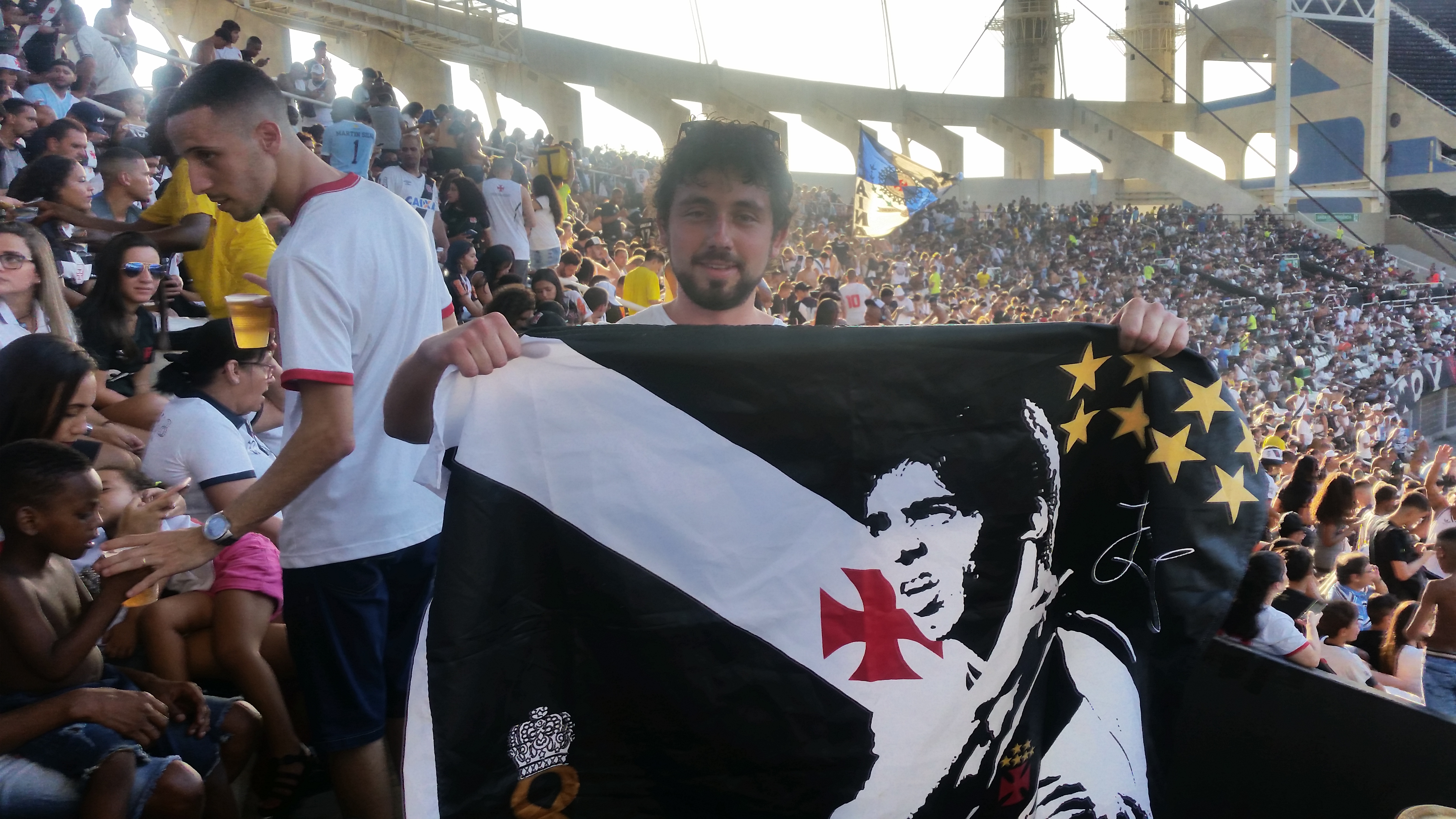
After wandering around Chapada, the time has come to go back to Rio and Iraja, where we’ve already been like home now. There was also a Rio derby approaching: Botafogo – Vasco, what was not to be missed. I was supposed to go with Blacky, but since in the end he couldn’t go, I went alone to the stand with Vasco ultras, the so called “Torcida Vascoeira”. Although Brazilians don’t really have the typical European ultras clashes, the security was rather extensive. In the Brazilian style, with the police cordons, armed with rifles and not really friendly. Vasco is a club especially popular within the poor neighborhoods of Rio. Their legend is Juninho Pernambucano, who brought them together with Romario, their only Copa Libertadores title (South American League of champions) in the history. In his style, with a goal from a 40m free kick in the semi-finals against the hated River Plate. Since I was an obvious foreigner on the stand, everyone was asking me who am I, and where I’m from. When I told them that I’m also from Torcida from Split and that Juninho is a legend, there is no need to say that we got along well, so I was even given a flag. Actually, the atmosphere is very similar to the one in Hajduk Split’s ultras stand. The style of the support, songs and the composition of people including all ages and lots of girls. Unfortunately, even the quality of the football is similar, since now their good players are taken before they’re even 18.
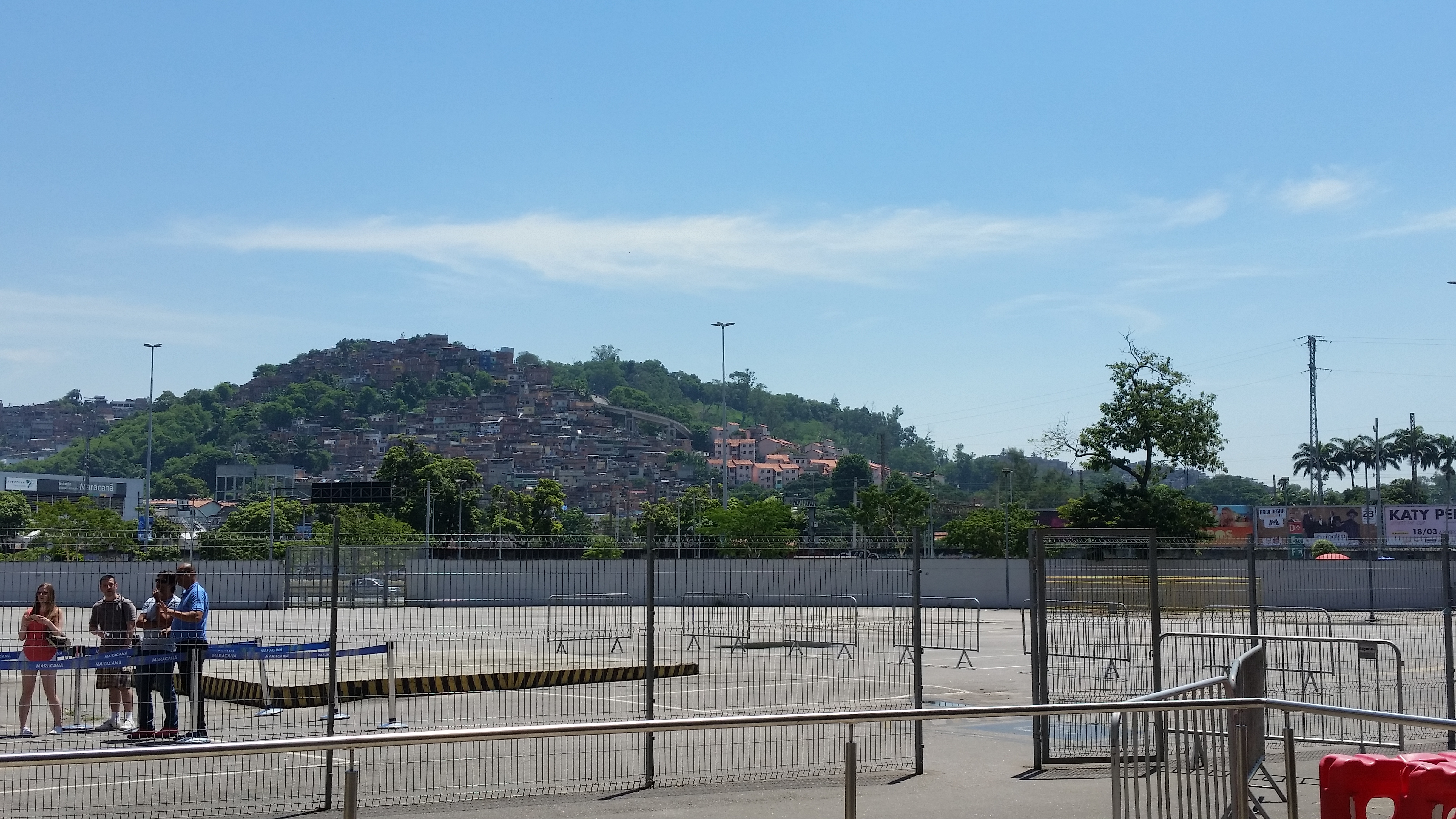
Too soon, there was a time to leave Brazil. To truly get to know this country, I should have had at least months, not weeks. It’s a specific country, with vast natural resources which are more of a curse than a blessing. Exactly those riches have caused the need for a lot of people to be a cheap workforce which would exploit all the ores and the earth for the agricultural products for the need of the developed world. Of course, with a narrow circle of intermediaries in this story, who also get to enjoy the riches. As a result of everything, there is a completely socially divided country, with maybe like nowhere else mixed the vast poor neighborhoods with some occasional elite ones, where the life is like in Europe. On the other hand, its still a country with a developed and rich culture, and infinite potentials. If they’re ever to straighten the differences, what is probably not in an interest of anyone influential, there is a vast potential to make a great place for living.