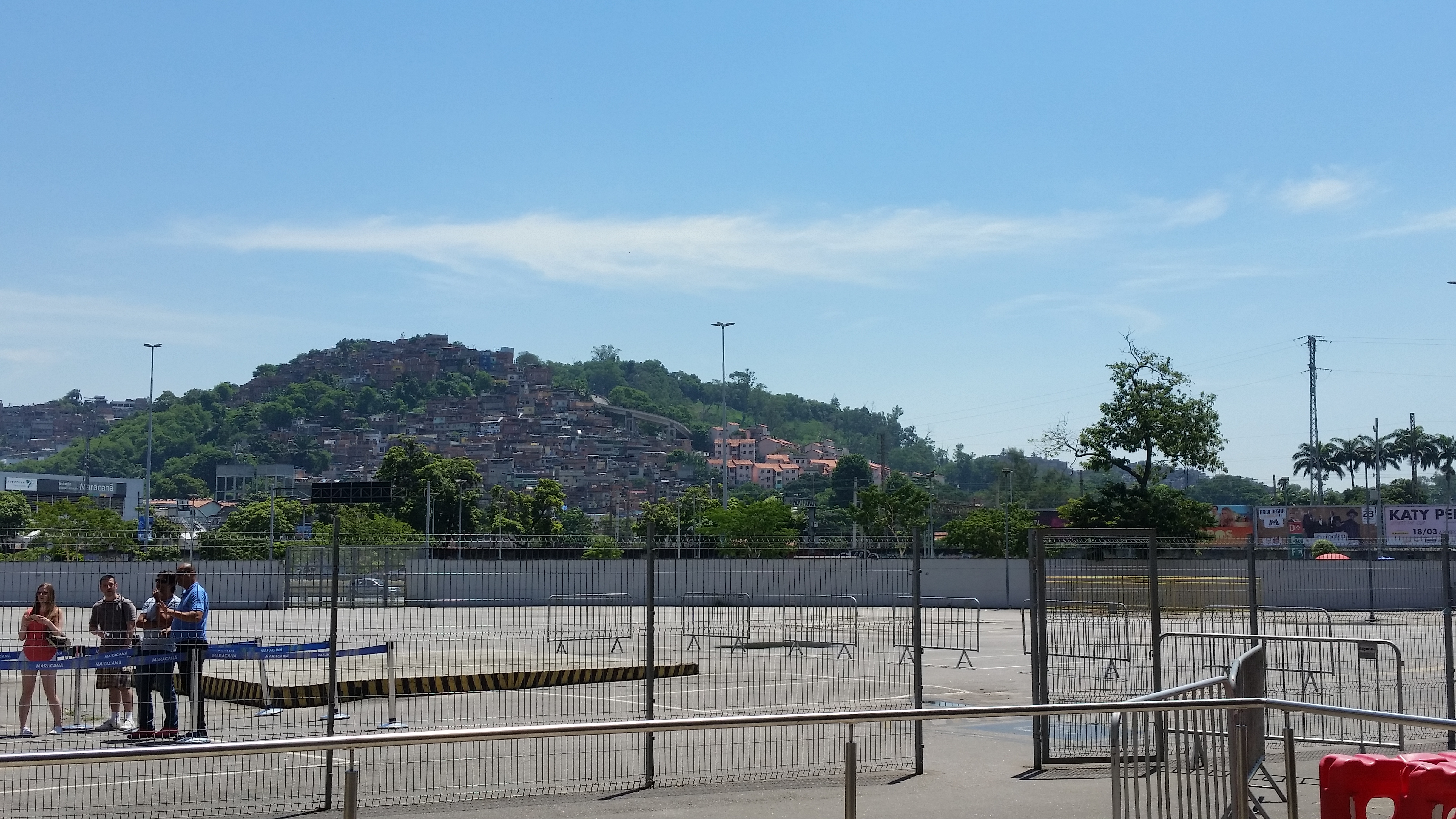
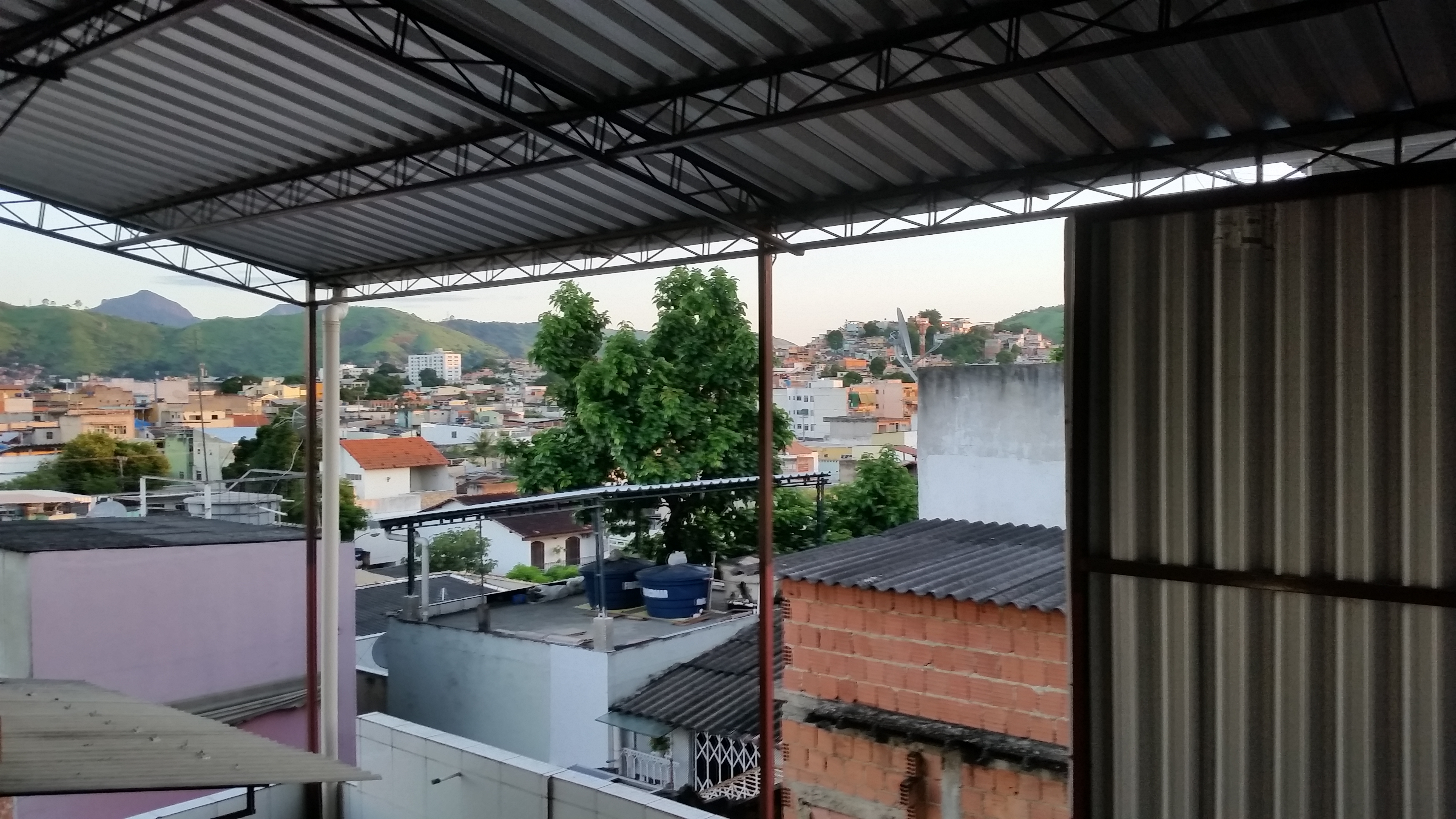
First favela we have visited was Mare, one of the largest in Rio with its 130 000 residents. Known for the spectacularly failed pacification attempt for the World Cup in football in 2014, due to the heavy casualties of police and army forces. After the retreat of army and police, government has constructed a large wall (like Palestine) around the favela, so that tourists on their ride from airport to Copacabana and Ipanema can’t see where they are passing by.
Our hostess, Juliana was born and has lived most of it’s life in Mare. Despite all the circumstances, she has finished studies and filled her wall with medals as a member of a local kickboxing club. For sure, that made us feel double the safe with her, especially after she has shown us videos from the last tournament ;). With her as a guide, we headed towards her grandmother’s house in Mare. Of course, we took a long bus ride since neither taxi nor Uber get anywhere close. Going inside a favela alone is a rather bad idea and anyway almost impossible since each one has its “security system” that doesn’t allow trespassing. Even if you’d make it inside, it’s probably even the worse idea, since soon everyone would start asking who and what you are, and if the one not officially working for those who run the favela get that you are wandering around, well, that might not be the best for you. However, when you’re with a local, such as Juliana, then everybody knows them, and everyone is greeting them as you pass by. That way, you’re also classified as a friend. Most of the people seem rather friendly and open, but it’s hard not to notice that there are also some people burn out due to the drugs. Also, you can no longer see those thousands of fit people such as those running alongside Copacabana and Ipanema.
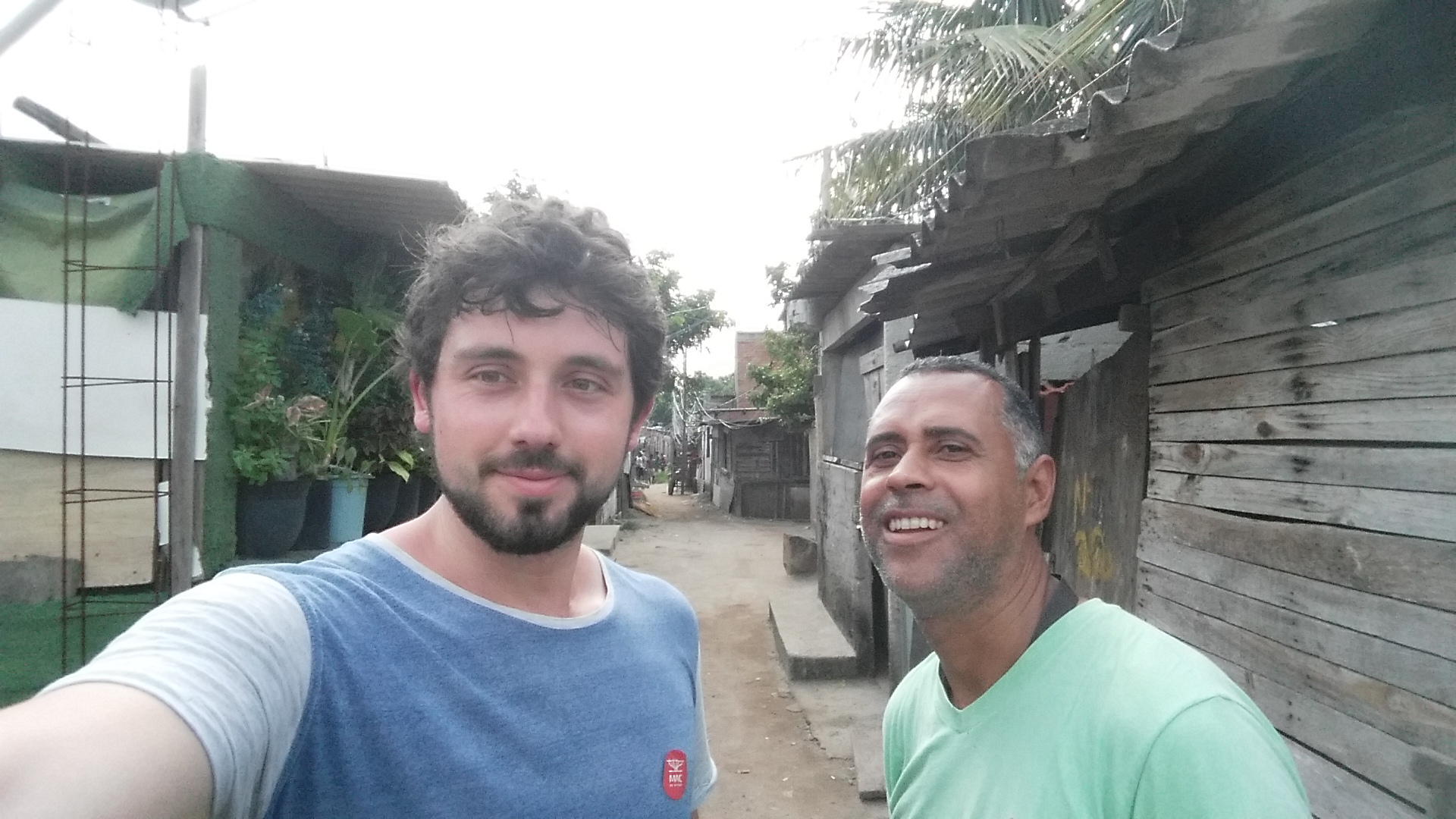
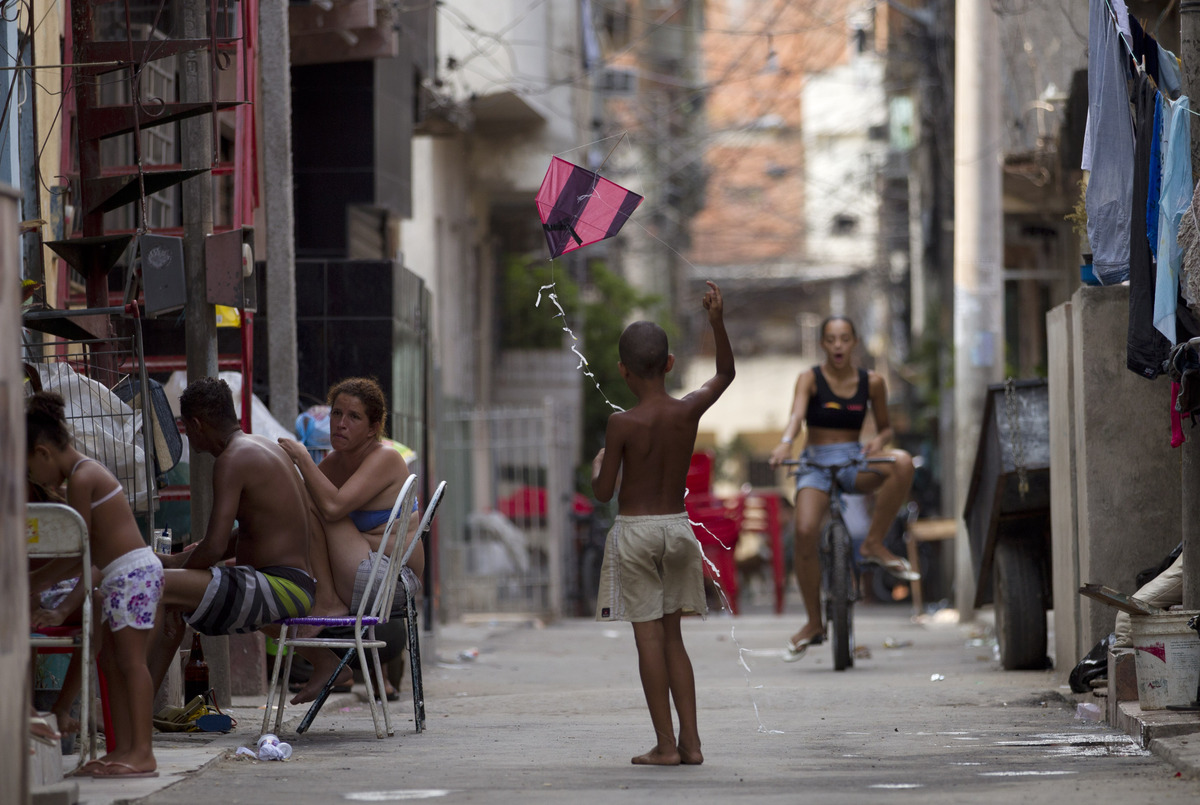
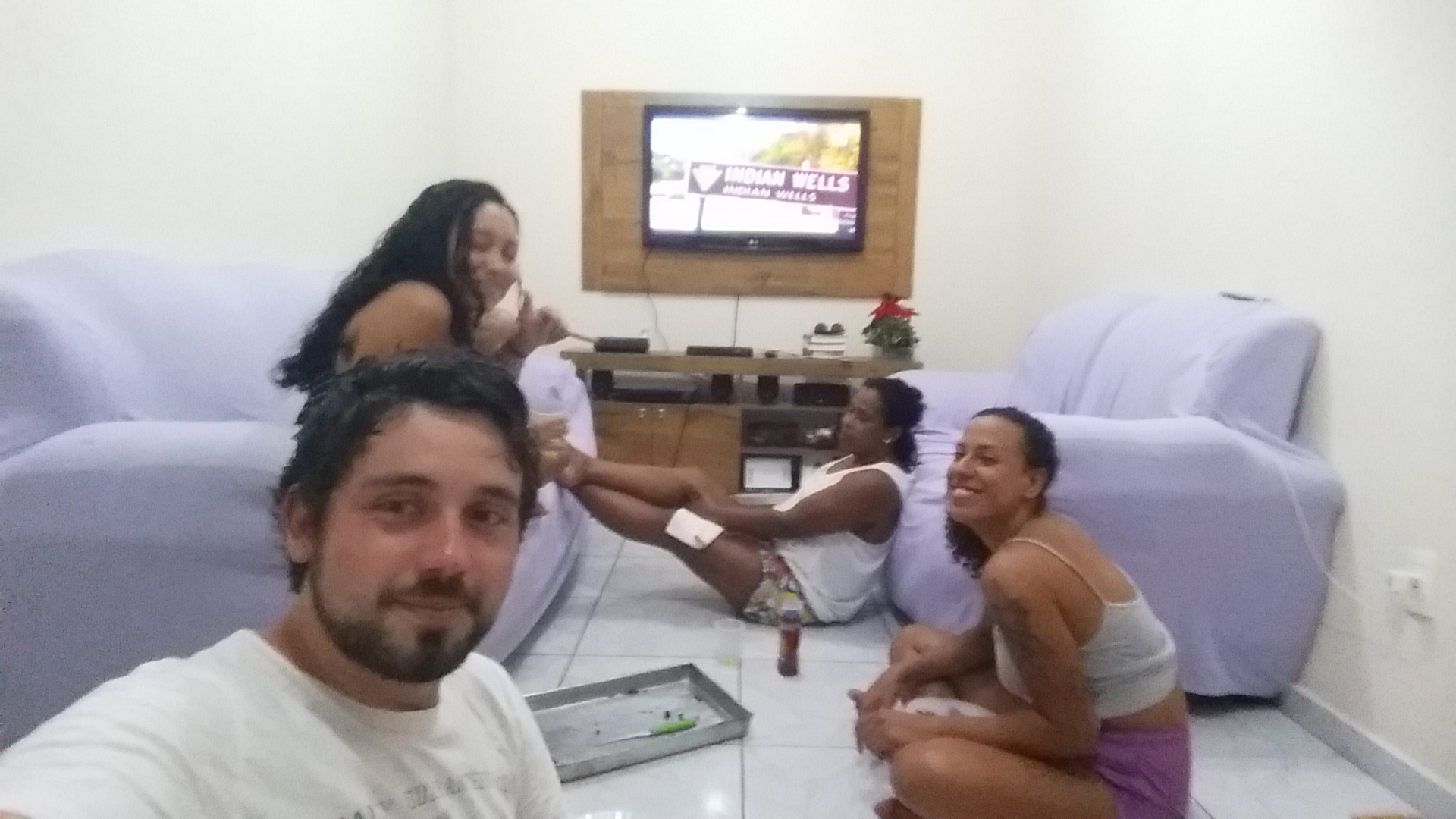
The streets of favela are narrow, but surprisingly tidy and clean. That is exactly the first fact that caught our eye. Although certainly poor, unlike in some third world countries, you can’t see any dirt or obvious lack of hygiene. Everything is poor but maintained as much as possible. Even the smell is rather nice, due to the numerous fast foods and small restaurants. It’s hard not to notice that prices are almost five times lower then in the city center. Actually, favelas are the liveliest parts of the cities. Those are the spots where, besides numerous places to eat, everything is filled with bars and improvised clubs. They don’t say in vain that favelas sleep during the day and live during the night. It’s widely known that the best parties are exactly there. In the picture described, fits perfectly the house of Juliana’s grandma, indigenous from North of Brazil by origin. Although from outside the house doesn’t really look impressive, inside its nicely decorated, with wide screen TV and decent furniture. While walking the streets, I’ve noticed the house with the sign saying “se vende”, meaning “for sale”. Of course, I had to inquire and found out that the price is about 5000 dollars. So, if you’re sick of booming property prices, you can have that in mind.
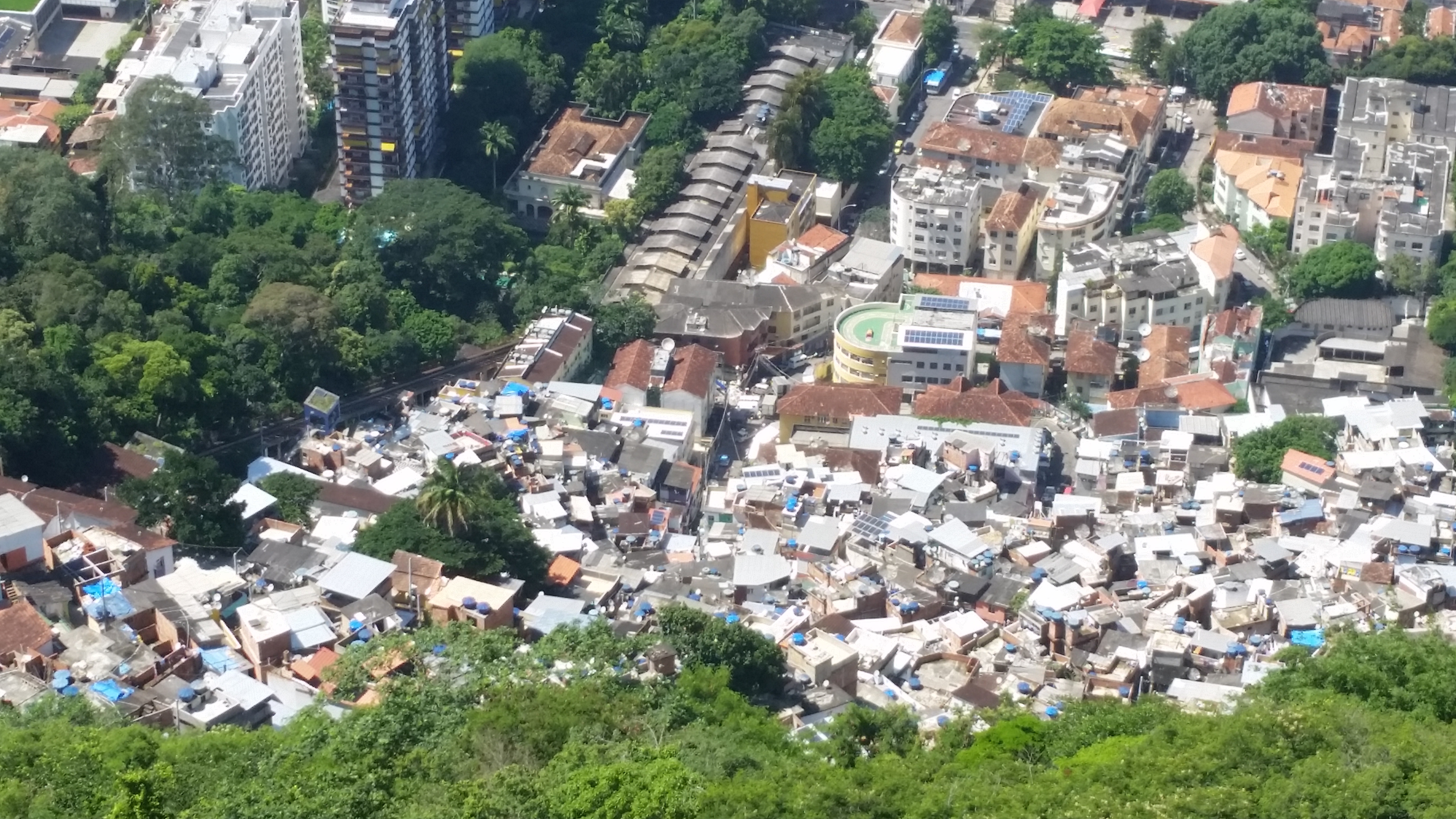
If nothing else, it’s good that in favela you don’t have to pay bills for electricity, water nor the communal expenses. I was the first one to wonder “wait, how can it be possible?”, but from Blacky, whom we are about to meet later, I’ve got pretty much a clear answer: “Wait, if you were working in electricity company, would you come to shut down the electricity down here?”.
Later on, Juliana and her cousin Emely have explained to us how does the “administration” function in the favelas. When something happens, such as when Emely’s bike had been stolen, she went to the “security” and reported the theft. They “process” it further and get down to some sort of investigation. What was happening in the meantime, it’s hard to say, but eventually she got her bicycle back the next day. All in all, while there is one gang and one “boss” in power, the situation is fine. Its fucked up when there is a fight for the power.
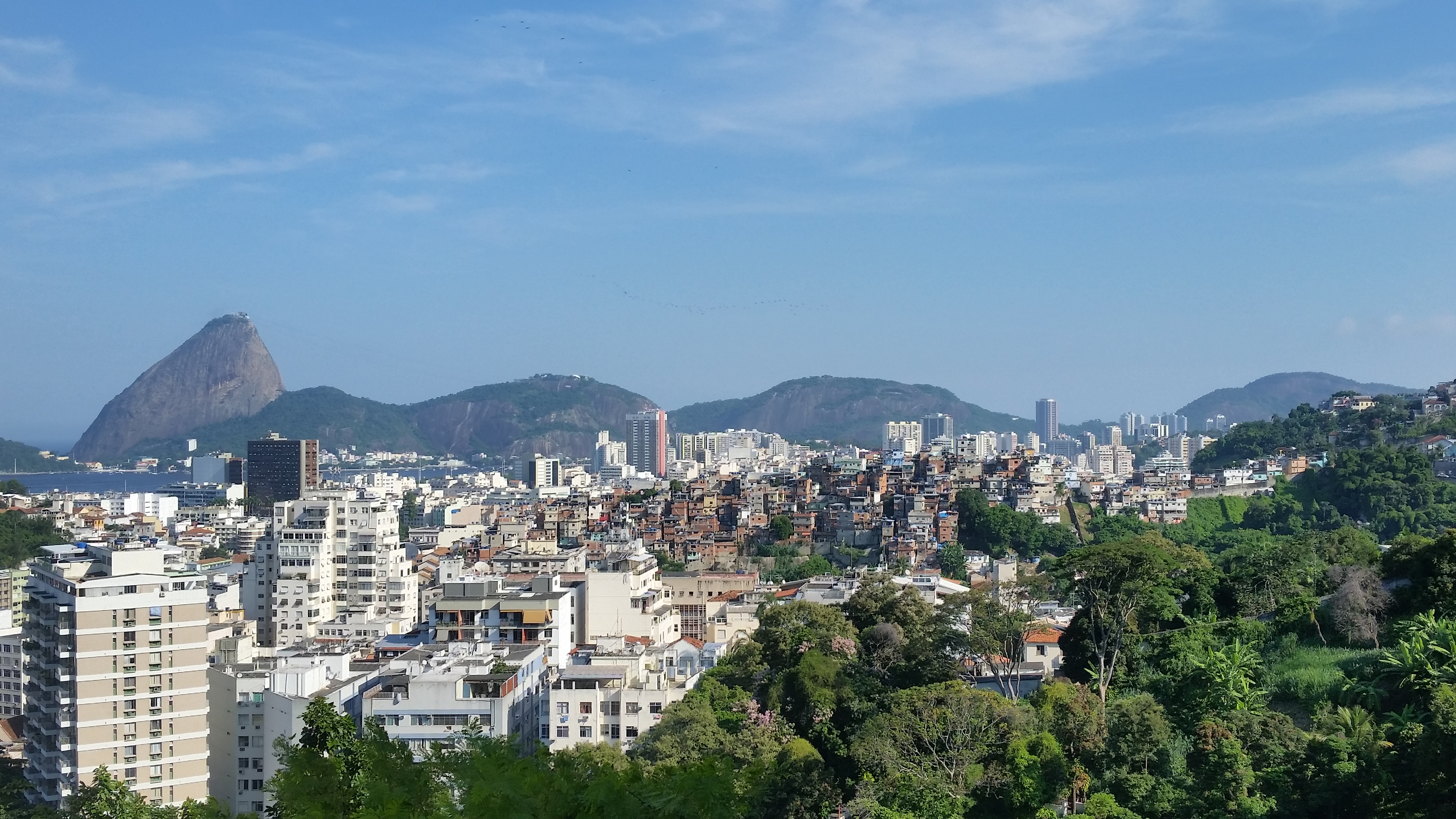
The favelas itself have been formed after 1888. when the slavery was Abolished in Brazil, as the last country in Americas to do it. Suddenly, there was a huge number of ex-slaves, without a job or property, which in great numbers have moved to inhabit the hills of the cities and towns. With the time, the favelas have grown out of it. Nowadays, from 11 million habitants of Rio de Janeiro, about a quarter lives in them. Besides, there are numerous neighborhoods, especially in the north of the city, which can be even worse due to the fact that there are no “bosses” in power, nor the police have a full situation under control. The statistics from the Brazilian federal state of Rio de Janeiro are not really encouraging. I’ve triple-checked the data that had seemed incredible, that the police itself has killed and reported about 1200 people in the previous year in the federal state of Rio de Janeiro. The number of police casualties was also significant, so for the locals its normal, but from our Croatian perspective rather weird, to see how the police stops the cars for routine check with the 4 police officers pointing their guns all the time.
Juliana took me to the Muay-Thai training in Iraja, where I’ve done a decent workout. Fortunately, I was saved from getting nicely beaten up during the training for the fact that probably everyone found it interesting that someone from Croatia has ended up there.
The tour of the favelas has continued in a way that my friend Sabika, Italian journalist and adventurer of Pakistani origin, has told me numerous times that when I go to Rio, I have to meet up with Blacky – a Brazilian graffiti artist whom she once interviewed in Europe. Since Blacky is known for his graffiti all over Rio, including those inside many favelas, he is a perfect guide through them, including the dangerous ones.